With only two months remaining until the 13th The Game Awards (TGA) on December 10, the landscape of the competition for Game of the Year (GOTY) has largely taken shape.
However, the situation this year is nuanced: while on paper it appears to be a fierce battle among heavyweights, in reality, several highly anticipated blockbusters have stumbled—such as Marvel’s Wolverine, which suffered a critical disaster and became mired in controversy. This has led many judges and players to lament that this is a “weak year” in terms of overall quality. Against this backdrop, provided Grand Theft Auto VI (GTA 6)—scheduled for release just days before the eligibility cutoff—does not face delays and allows judges enough time to complete the game, it possesses the absolute dominance to sweep the awards night.
Yet, setting aside this “preordained winner” and juggernaut, the six GOTY nomination slots at the TGA remain a focal point of interest. Based on an analysis of the judging panel’s preferences—which favor Metacritic scores of 90+, narrative-driven experiences, and AAA single-player action-adventure/RPG titles, while often overlooking online games and pure strategy titles—six leading contenders and potential dark horses have emerged:
The 6 Frontrunners Currently Leading the Nomination Race
- Resident Evil: Requiem
Strengths: Capcom is a clear favorite among TGA judges (having secured three GOTY nominations since 2019). This title masterfully blends the nostalgic appeal of classic remakes with the freshness of a mainline sequel; it features tight pacing, high production values, and a massive global audience.
Weaknesses: While its Metacritic score sits in the high 80s, that figure is slightly underwhelming by the standards usually required for a “Game of the Year” contender. Before the looming arrival of GTA 6, it has largely maintained its position in the top tier thanks to the high-profile failures of its competitors.
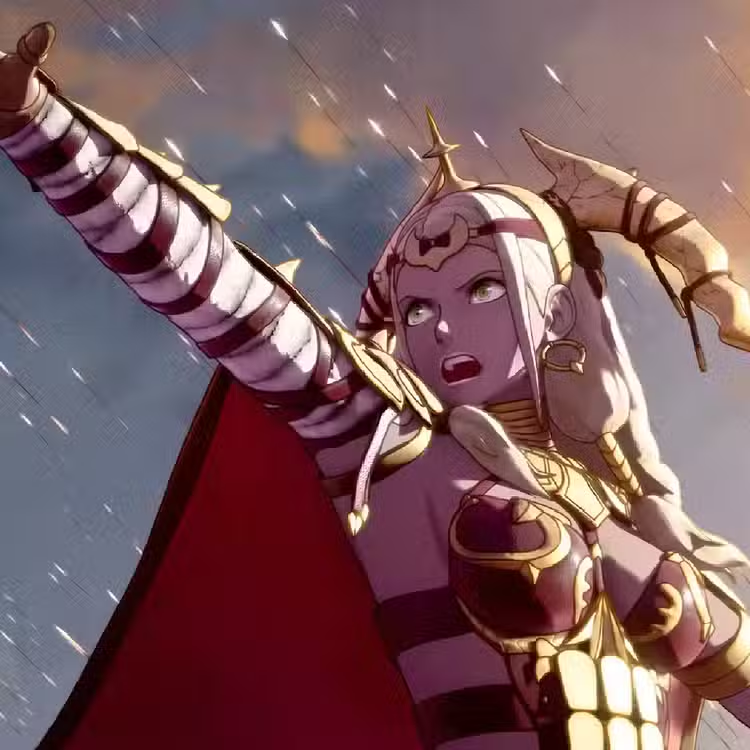
- Fire Emblem: Fortune’s Weave
Strengths: It achieved an average score of 89, outperforming many other new releases from September. Critics praised its perfect blend of grand narrative and deep tactical RPG mechanics; coupled with the TGA’s recent surge in appreciation for hardcore Japanese RPGs (like Metaphor: ReFantazio), the game enjoys a rock-solid fan base.
Weaknesses: The TGA jury has a habit of pigeonholing the Fire Emblem series into the “Strategy/Simulation” category, and tactical RPGs have never secured a GOTY nomination. Additionally, as a Nintendo first-party title, it faces the challenge of competing for attention against the “in-house” prestige of The Legend of Zelda: Ocarina of Time Remake releasing late in the year.
- 007: First Light
Strengths: IO Interactive’s debut Bond title earned an 87, skillfully combining mature “social stealth” mechanics with high-end, Hollywood-style cinematic storytelling. After the critical collapse of Wolverine, it effectively inherited the pool of jury votes intended for the action-adventure category.
Weaknesses: Licensed IP adaptations rarely crack the TGA’s final six GOTY nominees; furthermore, its commercial, mass-market appeal led some media outlets—seeking a purer, hardcore stealth experience—to award it lower scores.
- Control: Resonant
Strengths: Remedy has long been a TGA favorite (with every title from the original Control to Alan Wake 2 earning a GOTY nomination), offering both mainstream AAA visual fidelity and a unique blend of Nordic weirdness and indie artistic flair.
Weaknesses: Its radical shift from a tight, supernatural shooter to an “open-world action RPG” sparked polarized reactions among critics. Although its average score of 84 is actually slightly higher than that of the original game, the sense of awe and novelty that accompanied the first title’s debut has long since faded.
- Big Walk
Strengths: A new cooperative puzzle game from House House—the team behind Untitled Goose Game—boasting a stellar Metacritic score of 91, making it the highest-rated title on this list. The Game Awards (TGA) has a history of favoring high-quality, family-friendly co-op games (such as It Takes Two).
Weaknesses: The game relies heavily on multiplayer coordination to be fully experienced, posing a significant logistical challenge for a busy media jury that often operates independently; furthermore, while it sells well, the indie game scene has been relatively quiet this year, and the title has yet to generate the kind of viral, mainstream buzz that transcends gaming circles.
- Crimson Desert
Strengths: Massive in scale, pushing technical boundaries to the limit, and featuring a dazzling action system. It perfectly fits the mold of a “grassroots hardcore AAA miracle”—akin to Black Myth: Wukong (2024) or Kingdom Come: Deliverance II (2025)—that inspires fanatical devotion and achieves staggering global sales.
Weaknesses: An average score of 77 is a fatal flaw; no game with a score below 80 has ever been nominated for Game of the Year in TGA history. Its narrative depth and fundamental design logic have drawn heavy criticism from traditional media, leaving the game teetering precariously on the edge of failure.
Dark Horses to Watch
The Blood of Dawnwalker: A vampire RPG helmed by key creators from The Witcher 3. While its launch performance fell slightly short of expectations and it has struggled to step out of its predecessor’s shadow, it remains a formidable contender for the “Best Narrative” award.
Star Wars Zero Company: A strategy game developed by Bit Reactor. While strategy games rarely stand a chance at “Game of the Year,” the few judges who have fully completed the game have offered near-universal, ecstatic praise.
Pragmata: A retro-sci-fi action game polished by Capcom over many years; its gameplay mechanics are highly innovative, generating significant buzz among old-school core gamers.
Mina the Hollower: From Yacht Club Games; a retro, hardcore title with a niche appeal but stellar critical reception. It is poised to step in as the year’s standout indie title should Big Walk lose momentum.
Pokémon Pokopia: Highly acclaimed, yet its identity as a life-sim—combined with the Pokémon IP—places it naturally outside the aesthetic preferences TGA judges hold for serious “Game of the Year” contenders.
The Ultimate Wildcards Set to Shake Up the Year-End Landscape
Grand Theft Auto VI (GTA 6): The “elephant in the room” for the entire industry. Provided it launches just before the deadline without a technical disaster, the other contenders will effectively be fighting only for second place.
The Legend of Zelda: Ocarina of Time Remake: Although remakes rarely clinch the top prize, this ultimate overhaul by Nintendo—revisiting the undisputed “origin of a masterpiece” in gaming history—could well break industry conventions.
Phantom Blade Zero: With Crimson Desert facing mixed reception and Blood of the Dawnwalker appearing somewhat lackluster, the global hardcore action gaming community has pinned all its hopes on this major Chinese-developed action title.
Gears of War: E-Day: In a 2026 landscape largely devoid of major mainstream shooters or sports titles, this blockbuster “popcorn” game from The Coalition—featuring solid, classic action—still stands a strong chance of securing a nomination. The Duskbloods: A new multiplayer title from FromSoftware for the Switch 2. Following an extremely troubled beta test, it will likely be delayed until 2027; yet, should it miraculously launch before the deadline, it remains the biggest wild card.